Mineral Swim
How Magnesium Pools Improve the Experience of Swimming
07 July, 2026
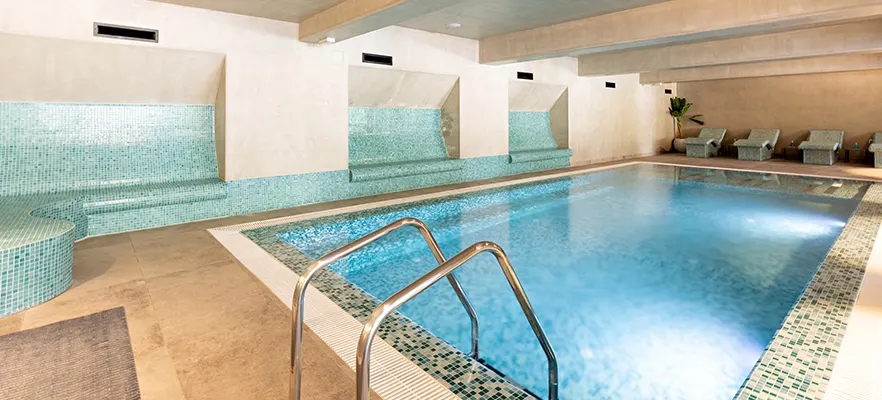
Indoor swimming is meant to be a relaxing escape from the weather, a place to exercise, unwind, or spend time with family all year round. But anyone who has stepped out of a traditional chlorinated indoor pool knows the downsides too: that sharp chemical smell, red eyes, dry skin, and a heavy, damp atmosphere that lingers in the room long after you've finished swimming.
This is where a magnesium pool changes the equation. By replacing the bulk of harsh chlorine with natural minerals, a magnesium swimming pool creates a noticeably gentler, fresher, and more enjoyable indoor swimming environment for the whole family.
What Is a Magnesium Pool?
A magnesium pool, sometimes called a mineral pool, uses naturally occurring magnesium minerals combined with a low-chlorine or ozone-based sanitising system. Rather than relying on heavy doses of chlorine to keep the water clean, the magnesium minerals work alongside advanced purification technology to maintain crystal-clear, hygienic water with a fraction of the usual chemical load.
One of the best-known systems on the market is Mineral Swim, which combines 100% natural Dead Sea magnesium minerals with ozone purification. This approach is designed to deliver water that looks cleaner, feels softer, and is far gentler on the body than a standard chlorine pool.
Why Indoor Pools Benefit the Most
Indoor pools face a unique challenge. Because the space is enclosed, chlorine fumes and chloramines (the by-products created when chlorine reacts with sweat, oils, and urine) build up in the air rather than dispersing outdoors. This is why so many indoor pool areas have that distinctive, sometimes overwhelming, chemical smell.
A magnesium swimming pool addresses this issue at the source. Because significantly less chlorine is needed, fewer chloramines are produced in the first place. The result is noticeably cleaner-smelling air, which makes a real difference to indoor air quality, especially in home swim spas, lap pools, and enclosed pool rooms where ventilation is limited.
Softer Water, Better Swimming Experience
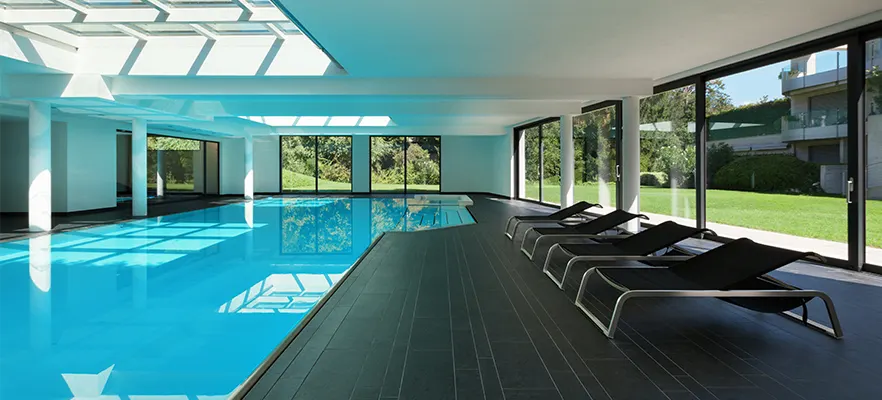
Anyone who has swum in a mineral pool will usually describe the water the same way: softer, silkier, and gentler on the skin. Magnesium-rich water doesn't strip natural oils from skin and hair the way chlorine can, so swimmers tend to step out feeling refreshed rather than dried out and tight-skinned.
For indoor pools used regularly, whether for daily laps, hydrotherapy, or family swim time, this matters. Frequent exposure to harsh chlorinated water can lead to dry, itchy skin, brittle hair, and irritated eyes over time. A magnesium pool minimises these issues, making it far more comfortable to swim every day without the usual aftereffects.
A Gentler Option for Sensitive Skin and Allergies
Many families choose a magnesium swimming pool specifically because someone in the household has sensitive skin, eczema, asthma, or allergies. Traditional chlorinated pools can aggravate these conditions, particularly indoors where chemical fumes are more concentrated.
With a mineral pool system like Mineral Swim, the reduced reliance on chlorine, combined with the soothing properties of magnesium, creates a far more comfortable swimming environment. Many users describe it as feeling like swimming in naturally soft, mineral-rich water rather than a chemically treated pool, making it a popular choice for households with young children, asthma sufferers, or anyone prone to skin irritation.
A Therapeutic, Spa-Like Atmosphere
Beyond the practical benefits, a magnesium pool brings a touch of wellness to everyday indoor swimming. Magnesium is widely recognised for its role in muscle relaxation, easing tension, and supporting recovery after exercise. Soaking in magnesium-infused water has long been associated with the kind of relaxation people seek out at mineral spas and hot springs.
In an indoor pool swimming isn't just exercise. It becomes part of a wind-down routine, helping to ease muscle soreness after a workout, soothe tired joints, or simply provide a calming end to the day. Combined with the absence of strong chemical odours, an indoor magnesium pool can feel more like a private spa retreat than a typical backyard pool.
Lower Maintenance, More Time Swimming
Indoor pools are often used more frequently than outdoor pools, which means water quality and maintenance routines come under more pressure. Magnesium pool systems are generally easier to maintain because they require less manual chemical dosing and produce more stable, balanced water.
Systems such as Mineral Swim use ozone purification to do much of the sanitising work, meaning less chlorine needs to be added and monitored. For indoor pool owners, this translates to less time spent on water maintenance and more time actually enjoying the pool.
Eco-friendlier Choice
Reducing chlorine use isn't just better for swimmers, it's better for the environment too. Mineral pools typically use significantly less chlorine than traditional pools, and the natural minerals involved mean that backwash water is often safe to use in the garden rather than needing special disposal. For indoor pools connected to a home's plumbing and garden systems, this is a meaningful, practical benefit.
Is a Magnesium Pool Right for Your Indoor Space?
If you're building a new indoor pool or considering an upgrade to an existing one, a magnesium pool is worth serious consideration. The benefits, softer water, fresher air, gentler chemistry, and a more relaxing overall experience, are especially valuable in an indoor setting where air quality and water comfort are felt every single time you swim.
Systems like Mineral Swim make it possible to enjoy these benefits without rebuilding your pool from scratch, as many existing pools can be upgraded to a Mineral Swim system. Whether you're swimming laps for fitness, helping a family member manage sensitive skin, or simply want your indoor pool to feel more like a retreat, a magnesium swimming pool can transform the everyday experience of indoor swimming, one swim at a time.
Frequently Asked Questions
Is a magnesium pool the same as a saltwater pool?
No. While both use a chlorinator to produce chlorine and sanitise the water, a magnesium pool uses a blend of mineral salts, including magnesium chloride, whereas a traditional saltwater pool uses sodium chloride (pool salt). Magnesium pools are known for their softer, silkier water, which many swimmers find gentler on their skin and eyes, while still providing effective sanitisation.
Can I convert my existing indoor pool to a magnesium pool?
In most cases, yes. Many mineral pool systems, including Mineral Swim, are designed to be installed as an upgrade to an existing pool's filtration and sanitising system, without needing a full rebuild.
Does a magnesium pool still need chlorine?
Yes, but in much smaller amounts. Magnesium pools typically use significantly less chlorine than traditional pools, often supported by additional purification methods such as ozone, which helps reduce chemical odours and skin irritation.
Are magnesium pools suitable for children?
Yes. The gentler water chemistry and reduced chemical exposure make magnesium pools a popular choice for families, particularly those with young children or members who have sensitive skin or asthma.
Mineral Swim Stories
How does Mineral Swim help?
Mineral Swim benefits